


The 6th Edition of the Global Energy Digitalisation Conclave (GEDC 2026) stands as India’s most influential annual B2B leadership platform, where senior executives from the digital and energy sectors converge to present breakthrough digitalisation initiatives, explore next-generation solutions, and shape the future of efficient and sustainable energy operations.
Digitalisation now impacts every layer of the energy value chain—generation, transmission, distribution, refining, supply, trading, and consumption. As India moves rapidly toward its national digital and clean-energy goals, the 6th edition emphasizes a whole-system approach, strengthened through continued support from the Government of India. This collaboration is essential for accelerating the convergence of digital and energy ecosystems and ensuring that India is fully prepared for the next era of technological transformation.
As the shift from analog to digital accelerates globally, digital technologies will define how future energy systems evolve—making them more connected, intelligent, efficient, reliable, resilient, and sustainable.
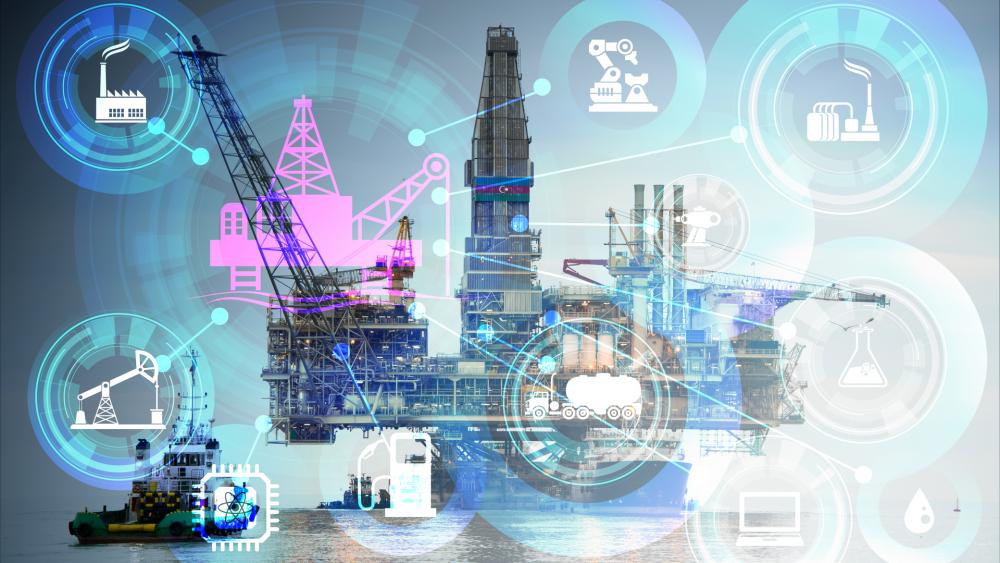
Technologies such as ICT, advanced sensors, big data analytics, AI/ML, IIoT platforms, intelligent automation, blockchain & DLT, and the rising wave of cyber-physical systems are revolutionizing how energy is produced, optimized, and consumed. These innovations are becoming central to achieving India’s long-term decarbonization targets and net-zero ambitions.
With these advancements come new complexities. The extensive use of data and interconnected digital systems requires robust cybersecurity, strong privacy protections, ethical AI governance, and resilient digital infrastructure. For digital energy innovations to scale, India must continue to build future-ready foundations—including interoperable standards, gigabit-class networks, high-trust cloud ecosystems, and next-generation data and communication infrastructures. Only then can consumers, industries, and utilities fully benefit from innovative digital services, improved energy efficiency, and meaningful participation in the energy transition.